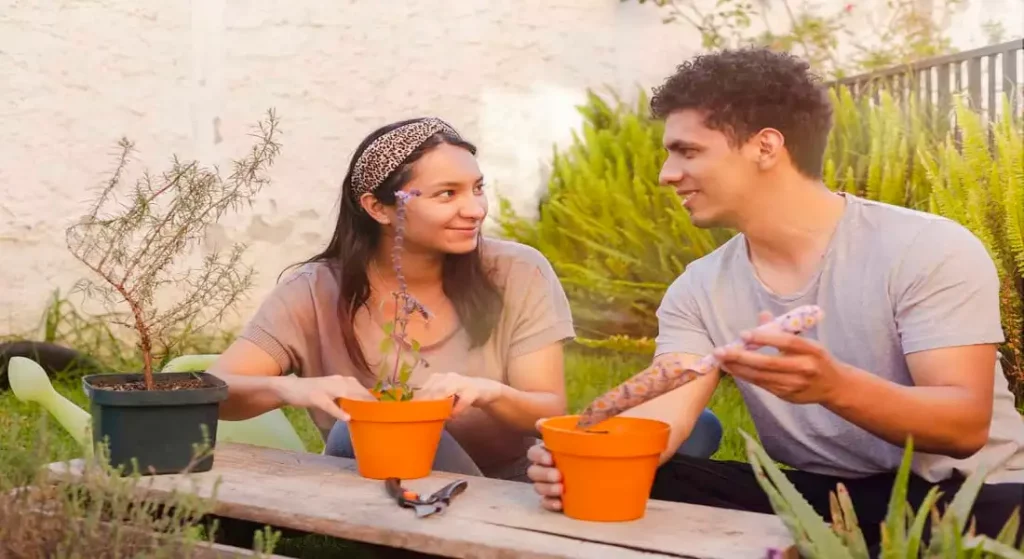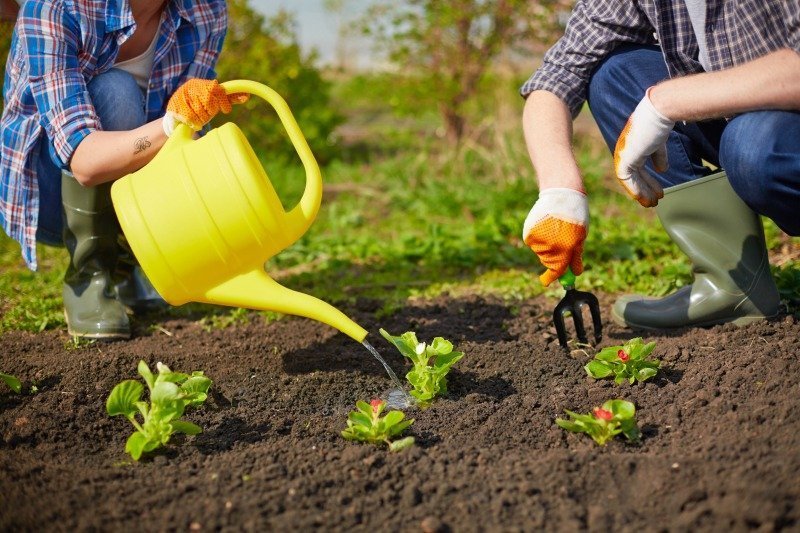
Gardening serves as a complementary practice to somatic therapy, offering a unique, sensory-rich experience that enhances emotional processing. The tactile engagement with soil and plants fosters mindfulness, grounding individuals in the present moment. This connection to nature not only promotes relaxation but also facilitates emotional release. As one explores the intertwining benefits of these practices, the question of how they can synergistically improve mental wellness emerges, inviting further exploration.
Key Takeaways
- Gardening provides tactile and sensory experiences, enhancing emotional processing during somatic therapy sessions.
- Engaging with plants grounds individuals in the present, promoting mindfulness and reducing anxiety.
- The rhythmic actions of gardening encourage emotional release and self-awareness, complementing somatic techniques.
- Nurturing living things fosters a sense of purpose and connection, reinforcing therapeutic goals.
- Combining gardening with somatic therapy creates a holistic approach to mental wellness, supporting healing and transformation.
What Is Somatic Therapy and Why It Matters?
Somatic therapy, which focuses on the connection between the mind and body, plays an essential role in mental wellness by addressing the physical manifestations of emotional distress. Somatic therapy explained simply involves techniques that help individuals reconnect with their bodies, fostering awareness of sensations, feelings, and memories stored within. This approach acknowledges that emotions can manifest physically, influencing overall well-being. By encouraging clients to explore and release these physical tensions, somatic therapy promotes healing and self-acceptance. It matters because it provides a safe space for individuals to process trauma and stress, ultimately leading to a greater sense of belonging and connection with oneself and others. Through this therapeutic journey, individuals can cultivate resilience and emotional balance.
The Therapeutic Benefits of Gardening for Mental Wellness
Engaging with nature through gardening offers profound therapeutic benefits for mental wellness. This nurturing activity fosters a sense of belonging and connection, allowing individuals to cultivate mindfulness while tending to plants. The rhythmic motions of planting and caring for a garden promote relaxation, reducing anxiety and stress. Additionally, the act of nurturing life can instill a sense of purpose and achievement, essential for emotional well-being. Engaging with the earth not only encourages physical activity but also facilitates a deeper connection to one’s surroundings. As individuals witness the growth of their gardens, they often experience a boost in self-esteem and overall mood. Gardening serves as a grounding practice, creating a serene space for reflection and healing, complementing methods like somatic therapy explained simply.

How Gardening Works Hand-In-Hand With Somatic Therapy
Combining the nurturing practice of gardening with somatic therapy creates a holistic approach to mental wellness. Gardening engages the body in a tactile, sensory experience, grounding individuals in the present moment. This physical connection complements somatic therapy, which emphasizes awareness of bodily sensations to process emotions. As participants cultivate plants, they cultivate self-awareness, allowing them to explore their feelings in a safe environment. The rhythmic actions of digging, planting, and watering foster mindfulness, helping to release pent-up emotions. Moreover, the act of nurturing living things can enhance feelings of connection and purpose, essential for those seeking belonging. Together, gardening and somatic therapy facilitate a profound journey towards emotional healing, encouraging individuals to embrace their experiences fully.
Success Stories: The Intersection of Gardening and Somatic Therapy
The synergy between gardening and somatic therapy has yielded inspiring success stories that highlight their combined impact on mental wellness. Individuals have found solace and healing through cultivating plants, integrating the principles of somatic therapy into their gardening practices. One participant, struggling with anxiety, reported that tending to her garden helped her ground herself, allowing her to become more attuned to her body’s sensations. Another shared how nurturing flowers provided a sense of purpose, facilitating emotional release and connection to nature. These narratives underscore how gardening fosters a nurturing environment, enhancing the effectiveness of somatic therapy. Ultimately, these success stories reflect a shared journey towards healing, inviting others to explore the transformative potential of this unique intersection.
Getting Started: Combining Gardening With Somatic Therapy for Better Mental Health
Exploring the integration of gardening and somatic therapy can open new pathways to mental wellness. Individuals seeking to enhance their emotional health may begin by creating a small garden space, whether indoors or outdoors. This nurturing environment encourages mindfulness, allowing participants to engage their senses in nurturing plants, which can mirror the self-care aspects of somatic therapy.
Incorporating somatic therapy explained simply, individuals can focus on their bodily sensations while tending to their garden, cultivating a deeper awareness of their emotions. Simple practices such as deep breathing or gentle movement while gardening can help release tension. By fostering a connection with nature and the body, this unique combination can create a sense of belonging and support healing journeys towards improved mental health.
Frequently Asked Questions
Can Anyone Practice Somatic Therapy or Gardening for Mental Wellness?
Yes, anyone can practice somatic therapy or gardening for mental wellness. Both activities promote self-awareness and connection, fostering a sense of belonging and healing, making them accessible tools for enhancing emotional well-being in diverse individuals.
How Long Does It Take to See Benefits From These Practices?
Benefits from gardening and somatic therapy usually emerge within weeks, although individual experiences vary. Consistent practice fosters deeper emotional connections and resilience, gradually enhancing mental wellness and creating a sense of belonging within oneself and the community.
Are There Specific Plants That Enhance Therapeutic Effects?
Certain plants, like lavender and chamomile, are known for their calming properties, enhancing therapeutic effects. Incorporating them into therapy practices can foster a sense of connection, promoting relaxation and emotional well-being among participants seeking solace.
Can Somatic Therapy Be Combined With Other Therapies?
Somatic therapy can indeed be combined with other therapeutic approaches, such as cognitive behavioral therapy or mindfulness practices. This integration often enhances the overall healing experience, fostering deeper emotional connections and promoting holistic mental wellness.
What Qualifications Should a Somatic Therapist Have?
A somatic therapist should possess relevant qualifications, including a degree in psychology or counseling, specialized training in somatic practices, and experience in trauma-informed care. This foundation fosters trust and safety for clients seeking healing and connection.
Conclusion
To sum up, the integration of gardening with somatic therapy offers a unique pathway to mental wellness, fostering emotional awareness and grounding individuals in the present. The tactile experience of nurturing plants not only promotes relaxation but also encourages personal growth and resilience. As individuals cultivate their gardens, they simultaneously cultivate their inner selves, revealing the profound connection between nature and mental health. This harmonious relationship underscores the potential for transformative healing through simple, yet powerful, acts of nurturing.
You May Also Like To Read: